
Episode Summary
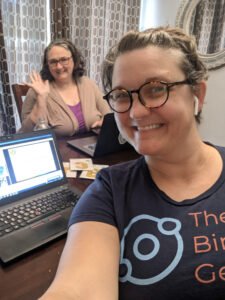
Robin and Hillary dig into what experienced birth workers actually do after they leave a birth, and why having a deliberate post-birth routine matters for long-term sustainability. This conversation covers everything from the first private moment in your car to sleep, food, family dynamics, and the anthropology of ritual itself. It’s honest, occasionally hilarious, and grounded in the reality that nobody is coming to design this transition for you. You have to build it yourself.
Listen to This Episode
Episode Time Stamps
00:47 – The car as your first private moment
01:36 – Robin’s shoe and sweater routine
04:03 – Decompressing
13:18 – Post-birth insomnia strategies
15:09 – Sleep podcasts, audiobooks, and 3am dance parties
16:22 – Why you always shower before sitting on your couch
17:09 – Food after a birth
21:17 – Hydration during births
22:17 – Who else needs post-shift rituals
25:29 – Processing with another birth worker
33:24 – Down-regulating and honoring the transition
37:15 – Going from one birth directly to another
39:22 – Post-birth rituals as burnout prevention
44:01 – Advice for doulas who also work full-time
Key Takeaways
The transition starts the moment you get in your car. That first private moment after a birth is where the decompression begins. Sitting with it, even for a few minutes, before you drive home is worth protecting.
A ritual doesn’t have to be elaborate to work. What matters is that it’s repeated, intentional, and helps you shift out of birth worker mode and back into the rest of your life. Robin’s shoe swap, Hillary’s parking garage scream, a hot shower, a specific song. All of it counts.
Food and hydration are part of post-birth care. Most birth workers underdrink during labors and come home depleted. Having something ready, even an Uncrustable in your bag, is practical self-care, not an indulgence.
You need a plan for the sleep problem. Emotional and hormonal activation after a birth means your brain often won’t quiet down even when your body is wrecked. Sleep casts, audiobooks, low-fi music, and even voice-to-text processing on the drive home are all legitimate options.
Verbal processing with another birth worker matters. Not necessarily that night, but within a day or two. Having a colleague you can debrief with, whether it’s to ask “was that normal?” or just to say “can you believe what happened,” is part of the longer-term ritual.
Involve your family in a way that works for your household. Whether that’s Abby Jorgensen’s formalized birthday dinner or simply teaching your kids that mom needs 20 minutes when she walks in the door, the people at home are part of the ecosystem around your practice.
Building a post-birth ritual now is burnout prevention later. Nobody designs this for you. Other doulas, mentors, and colleagues are often the only ones who will name it and help you figure out what yours looks like.
Mentioned in or Related to This Episode
From The Birth Geeks Podcast
Episode 6: Molly Mendota: Self-Care for Childbirth Professionals
Episode 66: Navigating Birth, Burnout, and Being Queer in Midwifery with Katie Shannon
From the Blog
The Doula Recovery Routine Nobody Talks About
Doula Burnout Prevention: Things to Do After a Difficult Birth
Is Burnout Threatening Your Doula Career?
Work Life Balance for On-Call Doulas
How to Set Boundaries as a Doula When Family Doesn’t Understand Your On-Call Life
Setting Boundaries as a Doula: Protect Your Time and Energy
How to Take Time Off as a Doula
Read the Full Transcript
Note: This transcript is auto-generated and may contain minor errors. Please refer to the audio for precise language, especially around clinical terms and data. And yes, sometimes “doula” gets interpreted… creatively.
Your transcript text begins here…